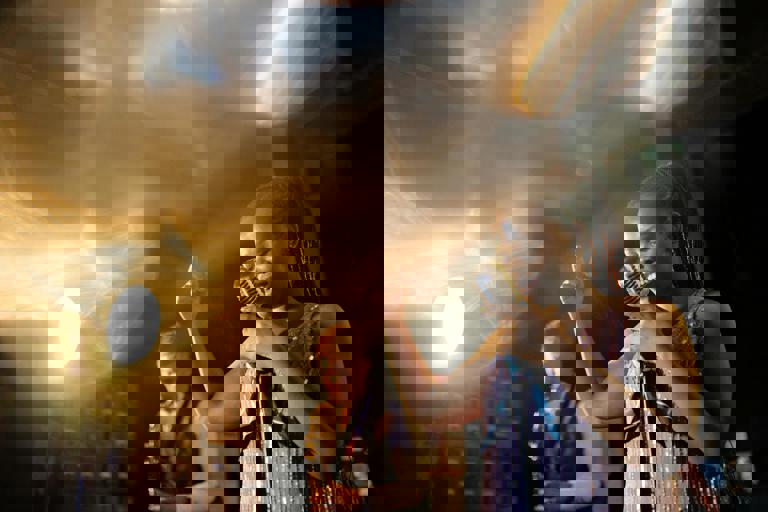
Beneath the surface of the city’s bustling streets, a vibrant underground jazz movement is experiencing a remarkable resurgence. This phenomenon is not confined to the traditional grand stages or high-profile clubs; instead, it pulsates through hidden corners, secret basements, and backrooms known only to those tuned into the scene. These clandestine gig spaces have become a haven for rising jazz musicians and enthusiasts, offering a unique blend of intimacy and innovation.
As the mainstream music industry increasingly prioritises commercial pop and electronic beats, many young jazz artists are seeking alternative spaces where experimentation and collaboration are encouraged. According to local jazz trumpeter Olivia Barnes, "These hidden venues give us total creative freedom. There’s less pressure to fit a particular sound, and audiences come with open minds, ready for anything." Her words echo the sentiment found throughout the underground community.
The process of discovering these secret gigs could almost be considered an art form in itself. Dedicated fans exchange whispered details, encrypted invitations, and even cryptic social media posts to spread the word about upcoming performances. Entry might require a password, a special token, or simply being in the know. For attendees, the sense of exclusivity adds to the allure, turning each night into an adventure.
What makes these venues so appealing is not only their secrecy but also their ability to foster genuine connections between performers and audience members. In spaces often accommodating no more than two dozen listeners, musicians perform just steps from their listeners. Pianist Samuel Leigh remarks, “You feel every reaction, every sigh. It’s a level of engagement you can’t find at mainstream concerts.” Such closeness forges a deeper emotional exchange, breathing new life into the jazz tradition.
Across the city, backroom venues in historic pubs, repurposed warehouses, and even residential cellars have taken on new identities as jazz sanctuaries. These locations, protected from commercial pressures and licensing strictures, allow artists to experiment with line-ups and styles. One week might feature avant-garde improvisation, while the next showcases a fusion of soul, funk, and classic bebop. This diversity sustains a constant buzz of excitement.
The underground jazz scene’s dynamism has also attracted a new generation of fans. Many are in their twenties and thirties, drawn not only by the music but the communal spirit and sense of discovery. Sociology lecturer Dr. Priya Nair notes, “Young adults are seeking authentic experiences in a world saturated with curated media. These venues offer a genuine, unfiltered way to engage with art.” This generational shift is helping to broaden jazz's appeal.
Emerging musicians find these secret gigs invaluable. Singer-songwriter Marcus Glen describes the experience as a "necessary rite of passage" for building confidence and honing one’s craft. "Before you can play to hundreds, you have to win over fifteen people in a pitch-black basement," he laughs. Such stories are common, as these gigs allow performers to experiment, falter, and succeed in a supportive environment.
While secrecy is central to the underground scene’s mystique, many organisers are keenly aware of the challenges it brings. Irregular spaces often raise logistical hurdles—ranging from poor acoustics and limited amenities to uncertain legal status. Jazz collectives like The Groove Assembly have responded by establishing rotating residencies, pooling resources, and providing technical support to ensure high-quality performances.
The very nature of these hidden venues also encourages a sense of egalitarianism rare in the wider industry. Established musicians often share the billing with newcomers, and there is little separation between stage and audience. Music critic Fiona Hartley observes, “Ego is checked at the door. The vibe is inclusive, experimental, and deeply respectful, which makes it exhilarating for everyone present.”
Technology, paradoxically, has both complicated and enlivened the underground jazz movement. While organisers must carefully avoid unwanted attention that could jeopardise their events, they also use encrypted messaging apps and private groups to coordinate gigs. This delicate balance between secrecy and promotion is part of what gives the scene its distinctive rhythm.
Financial sustainability remains an ever-present concern for those involved. Unlike established venues, these secret gigs operate on modest budgets, often relying on voluntary contributions or pay-what-you-can models. Despite the challenges, the passion of organisers, musicians, and supporters continues to fuel the scene’s growth. Their dedication ensures that these gatherings remain more than just concerts—they are communal celebrations of creativity.
Jazz in hidden venues is not a passing fad. The growing number of underground gigs, along with increasing media attention, suggests that this grassroots movement is reshaping the city’s cultural landscape. It is now common to find young improvisers sharing space with seasoned players from as far afield as Europe and the US, leading to a vibrant fusion of styles and influences.
As the underground scene flourishes, the wider music community is beginning to take notice. Some club owners now seek collaborations with backroom collectives, while local arts councils express interest in supporting improvised music initiatives. The future of the city’s jazz scene, it seems, lies in these dual currents: the winds of innovation blowing beneath the surface, and the growing recognition from above.